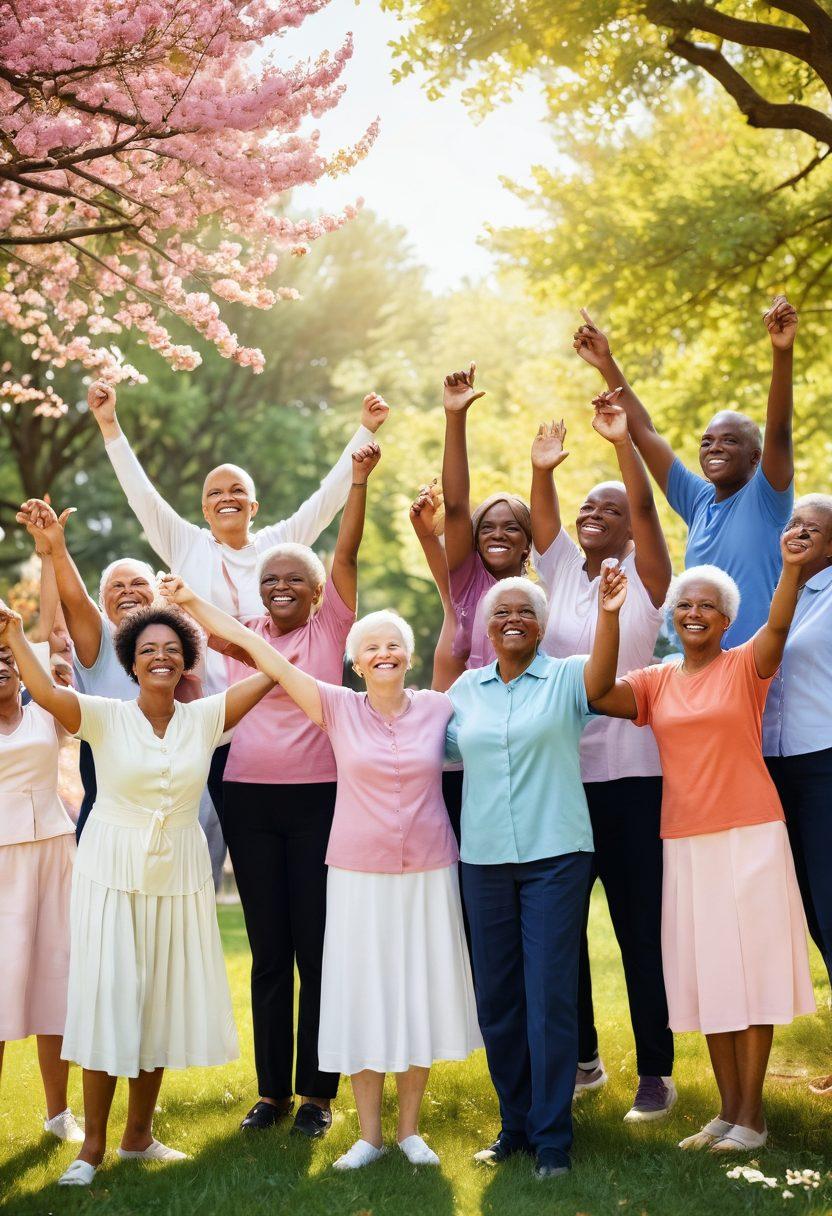
Innovative Strategies in Oncology: Empowering Patients Through Awareness and Support
In the world of oncology, where the words 'cancer,' 'malignant,' and 'tumor' evoke fear and uncertainty, there lies a powerful truth: awareness can transform the narrative of this chronic disease. Imagine a time when simply hearing the word 'cancer' sends shivers down your spine, but now, awareness and education allow individuals to reclaim their power in the face of adversity. In this health blog, we explore how raising cancer awareness fuels patient empowerment, reshaping the landscape of cancer care through understanding, support, and community engagement.
As healthcare continues to evolve, the role of patient education cannot be overstated. What if patients became their own advocates? Armed with knowledge about symptom management, early detection, and preventative measures, they can navigate the complex world of oncology with confidence. For instance, consider the importance of screening that can lead to early diagnosis and improve prognosis significantly. Each individual who actively engages in their health journey not only fosters their survivorship but also inspires others around them. Imagine a ripple effect where one person's awareness leads to collective empowerment against cancer.
But how do we make this awareness actionable? Community support plays an integral role in transforming knowledge into tangible steps. Participation in local cancer awareness events, support groups, or clinical studies can lead to shared experiences and new insights. What if every person diagnosed became an ambassador for change? The encouragement and camaraderie fostered within a supportive community can demystify the processes of chemotherapy, immunotherapy, and radiotherapy, making them less daunting for patients and caregivers alike. After all, as the saying goes, "The strongest people are not those who show strength in front of others, but those who win battles we know nothing about."
Another key element is lifestyle changes that can significantly impact cancer outcomes. From diet and exercise to emotional wellbeing, these alternative treatments and wellness strategies need to be highlighted more vigorously. Imagine a world where individuals take charge of their health by implementing beneficial lifestyle alterations. Daily reminders about the impact of nutrition, physical activity, and stress management can serve not just individual health but the community at large, equipping many with the tools to combat illness and champion wellness.
In conclusion, revolutionizing cancer care means investing in awareness. By fostering an environment where education and support are at the forefront, we unlock the potential for improved patient outcomes and a greater understanding of their journey. Empowering patients through knowledge, community backing, and actionable insights creates a formidable force against cancer. The future of oncology doesn’t lie solely in new therapeutics or clinical studies; it thrives in the proactive measures taken by individuals who choose to stand up, raise their voices, and champion the cause of cancer awareness together. The question is, will you join this vital movement?
From Diagnosis to Survivorship: The Essential Role of Support in Oncology
Navigating the journey from diagnosis to survivorship in oncology is akin to sailing through uncharted waters—it can feel daunting and overwhelming, yet profoundly transformative. When faced with a malignant tumor, patients often feel lost in a world of medical jargon, treatment options, and emotional upheaval. But this is where patient support becomes a lifeline, an anchor in a sea of uncertainty. The importance of understanding cancer awareness, disease prevention, and the various therapeautics is essential for empowering patients and their families throughout this tumultuous experience. How does one embark on the road to recovery with the right tools at their disposal?
When it comes to cancer diagnosis, the stakes are undeniably high. Early detection and timely intervention can significantly improve prognosis. Yet, despite the relentless advancements in cancer research and treatments like immunotherapy, chemotherapy, and radiotherapy, the emotional turmoil that accompanies a diagnosis often takes center stage. This is why patient support steps in like a beacon of hope, guiding individuals through the fog. From educating patients about their options to providing emotional solace, support systems are a crucial element of a comprehensive healthcare plan. Have you considered how much of a difference a strong support system can make in your own wellness journey?
As patients traverse the complexities of oncology, they often grapple with the implications of each treatment decision. Symptom management becomes a critical focus, intertwining with lifestyle changes that can further enhance well-being. Engaging in community support, whether through formal caregiver support or informal networks of fellow survivors, can provide both practical tips and emotional reassurance. Imagine sharing experiences and insights over a warm cup of tea with someone who truly understands your narrative—this powerful connection can inspire resilience and promote a proactive approach to health. What changes might you employ in your daily life to support your wellness efforts?
Survivorship is not merely the absence of malignant disorders; rather, it is a continuous journey toward reclaiming a sense of normalcy and purpose. The role of patient education cannot be overstated here. By equipping individuals with knowledge about preventative measures and alternative treatments, survivors can take charge of their long-term health. Upholding an informed dialogue between healthcare professionals and patients is vital—patients should feel empowered to ask questions and seek clarity regarding their treatment timelines and expected outcomes. How well-versed do you feel about your treatment choices and the options available to you?
Ultimately, the journey through oncology is about more than just navigating through diagnostics and therapeutic protocols; it’s about building a community of support around patients. Through cancer awareness initiatives and wellness programs, we can foster an environment that encourages open conversations about anything from screening to survivorship. The experience may be uniquely challenging, but together, we can cultivate resilience and hope. If you or someone you love is facing this journey, remember: you are not alone, and there are abundant resources waiting to support you every step of the way. What steps will you take today to foster a supportive network around yourself or someone you care about?
Navigating the Tumor Maze: Innovative Approaches to Patient Education and Wellness
Navigating the maze of a malignant diagnosis can feel daunting for many patients and their families. With terms like 'tumor' and 'oncology' swirling around, it can be easy to feel lost in a sea of medical jargon. But fear not! There are innovative approaches to patient education and wellness that can empower you or your loved ones on this journey. How can we transform fear into knowledge and uncertainty into support? Let's dive into the landscape of cancer awareness, symptom management, and the community resources that can make a world of difference.
Imagine receiving a cancer diagnosis and being greeted not just with fear, but with a wealth of information and support from your very first appointment. This is the vision behind revolutionary strategies in patient education. Engaging healthcare providers who are willing to take the time to explain prognosis and diagnosis in relatable terms can bridge the gap between patients and their treatment options. From chemotherapy to immunotherapy and radiotherapy, understanding these therapeutics can lessen anxiety and transform patients into informed participants in their care journey. As the saying goes, 'Knowledge is power'—and in oncology, it can be life-saving.
Have you ever wondered why some patients fare better than others? The answer often lies in early detection and screening. Innovative approaches now focus on making cancer awareness mainstream through community support initiatives that encourage regular health check-ups and screenings tailored to individual risk profiles. Health blogs and community workshops can play an essential role in educating individuals about preventative measures they can take based on their genetics and lifestyle. By embracing lifestyle changes together, we not only support each other but also foster a proactive rather than reactive mindset toward health.
Furthermore, survivorship isn't just about managing symptoms but also enhancing quality of life. Innovative strategies in oncology emphasize holistic wellness—encouraging patients to explore alternative treatments ranging from nutrition to mindfulness practices. It’s important to understand that managing a cancer journey is not only about battling the disease itself, but also about finding joy and purpose in life again. Support groups can provide an avenue for sharing experiences and coping mechanisms, thereby building a strong network of caregiver support amid a challenging time. Together, we can approach cancer with compassion and resilience.
Lastly, navigating the tumor maze does not end with treatment. It extends into survivorship, where continuous education and empowerment through resources like clinical studies shape the future of healthcare. Catching up on recent cancer research can provide insights into new therapeutics and advancements that may improve management options for patients. The journey through cancer is a long road, but with the right tools, support, and a wealth of available information, we can emerge not only stronger but wiser. What innovative strategies will you implement on your path towards wellness?